Paul Amlehn - Compositional system and strategies for music; catalyst texts and vocals for music composition; compositional approach for film; catalyst texts, vocals, and music for film composition; sound and image alignment and mix Gottfried Helnwein - Scenario and performance
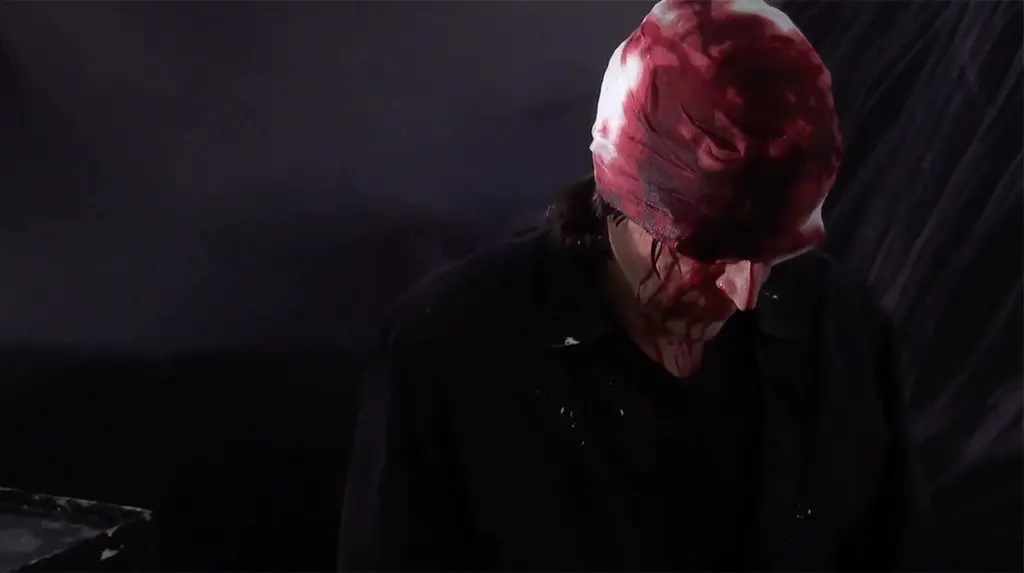
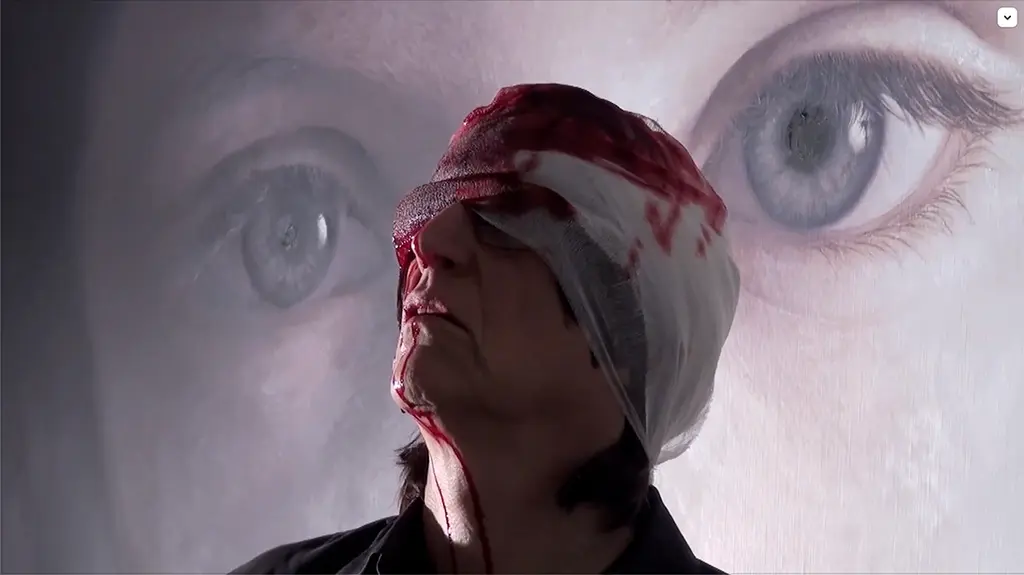
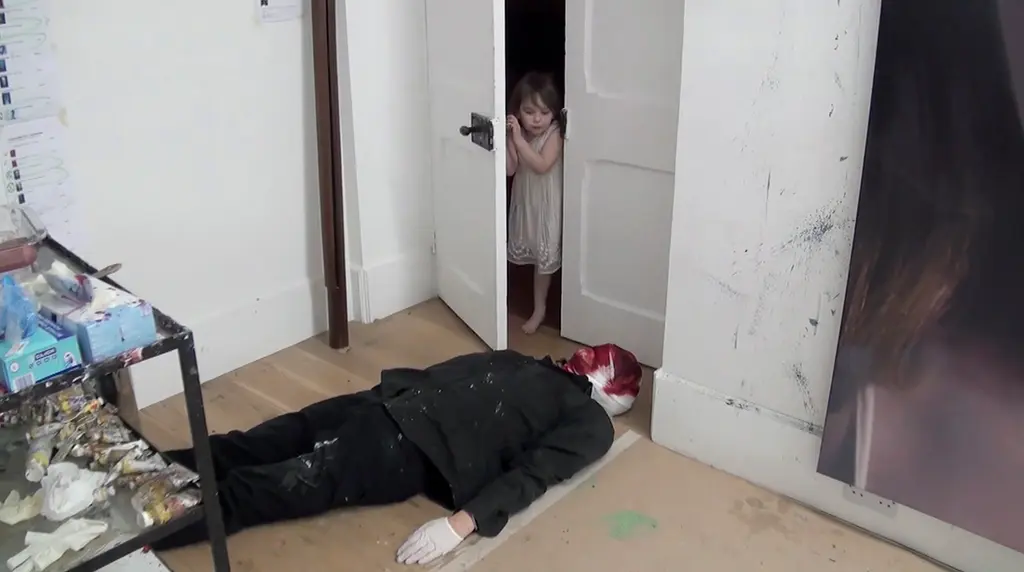
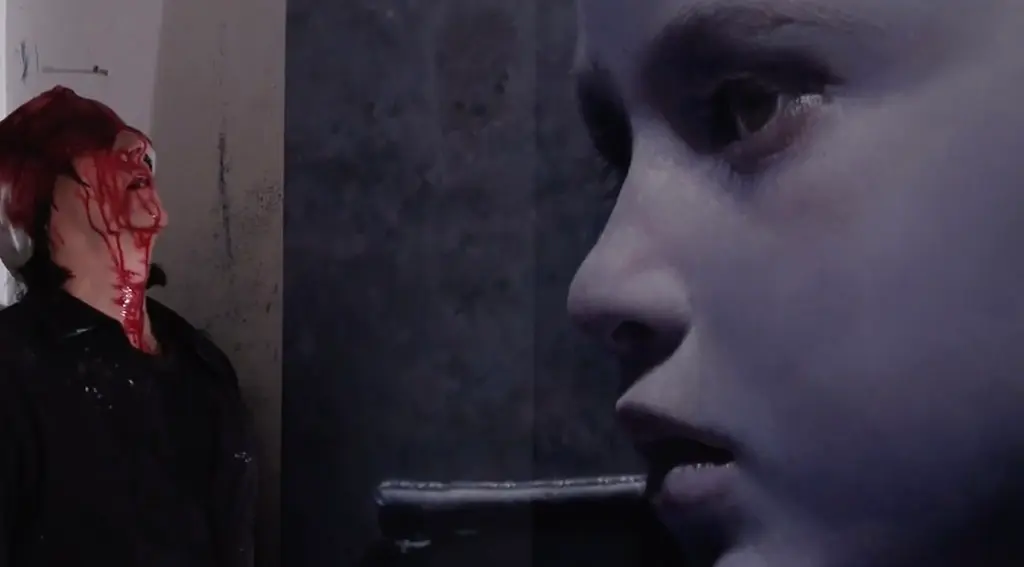
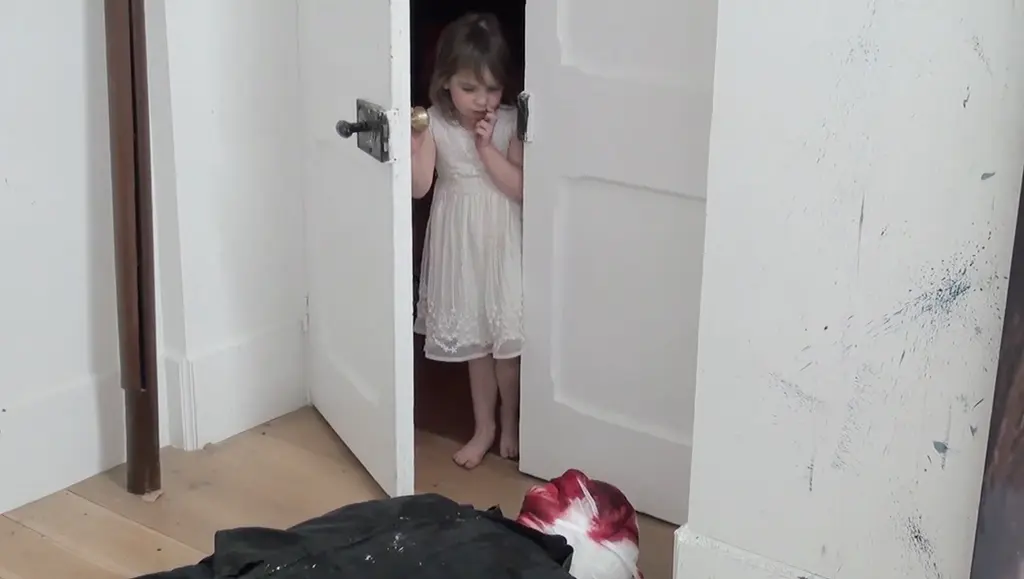
Cyril Helnwein - Cinematography,Éala Cheyenne Helnwein - Performance Peter Hess - Music: clarinet and electronics A short film by Paul Amlehn and Austrian-Irish painter Gottfried Helnwein, featuring performances by Gottfried and his granddaughter Éala Cheyenne Helnwein.
Gottfried's art is concerned primarily with psychological and sociological anxiety, historical issues and political topics. His subject matter is the human condition. The metaphor for his art is dominated by the image of the child, particularly the wounded child, scarred physically and emotionally from within. His works often reference taboo and controversial issues from recent history, especially the Nazi rule and the Holocaust. As a result, his work is often considered provocative and controversial. Gottfried's work has been exhibited in many of the world's major museums and galleries and is held in the world's foremost public and private collections.
The music for the film was composed for a separate music project of mine by Peter Hess of the Philip Glass Ensemble. Part of my research for the film involved reading about epigenetic trauma, which is an intergenerational kind of trauma. Trauma can leave a chemical mark on a person’s genes, which can then be passed down to future generations. This mark doesn’t cause a genetic mutation, but it does alter the mechanism by which the gene is expressed. This alteration is not genetic, but epigenetic. These links between genes, trauma, and painting in epigenetic trauma is reversed through the transformational power of art to heal.